
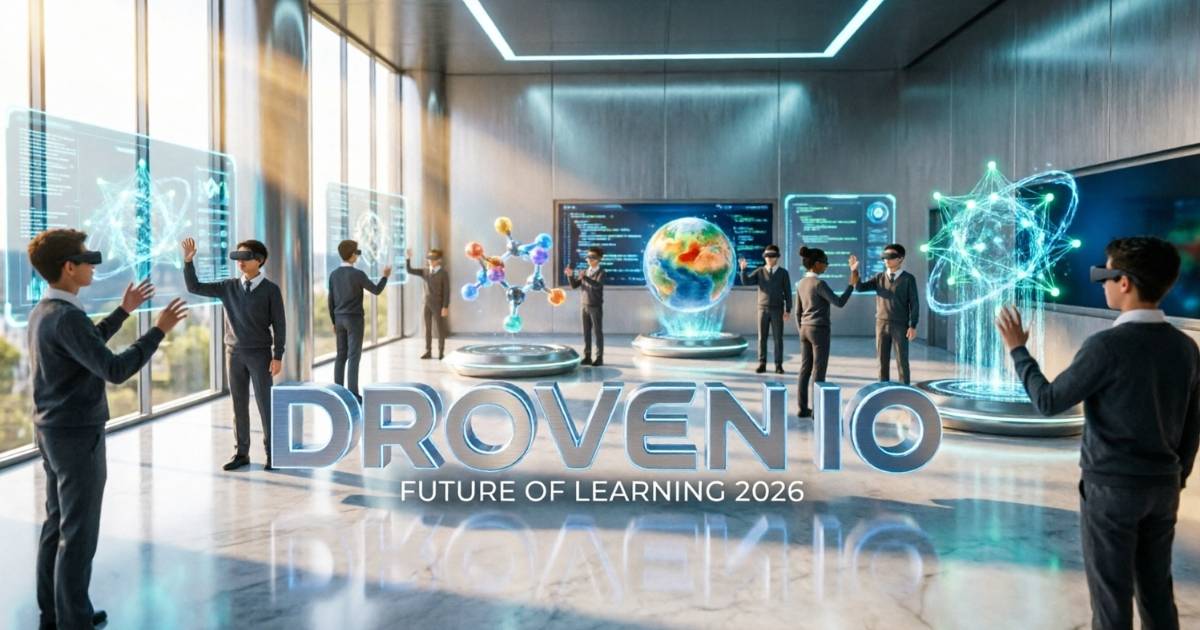
Technology is changing the way we learn, and it can be hard to keep up with all the new trends. Many students, teachers, and professionals want to know what skills will matter in the future and how education is evolving. If you’ve been searching for insights about Tech Education, you’re probably looking for clear answers in a fast-changing digital world.
This guide breaks down the latest developments shaping modern learning, including droven io tech education trends, droven.io machine learning trends, and droven.io new gadgets 2026. You’ll learn how technology is influencing classrooms, online learning, career growth, and skill development. By the end, you’ll have a better understanding of where education is heading and what it could mean for you.
The Changing Face of Education
Education doesn’t look the way it did even a decade ago. Classrooms are no longer limited to four walls, and learning can happen almost anywhere with an internet connection. As technology continues to evolve, students and educators are experiencing new ways to gain knowledge, build skills, and prepare for the future.
The shift isn’t only about using more devices in schools. It’s about creating learning experiences that are more flexible, personalized, and practical. Modern Tech Education is helping people learn at their own pace while opening doors to opportunities that were once difficult to access.
From Traditional Classrooms to Digital Spaces
In the past, learning mostly happened in physical classrooms with textbooks and lectures. Today, digital learning platforms allow students to attend classes, submit assignments, and collaborate online. This change became even more noticeable during global disruptions, showing that education can continue beyond school buildings. Many institutions now combine online and in-person learning to create a more flexible experience.
Learning Is Becoming More Personalized
Not every student learns the same way, and education systems are starting to recognize that reality. Modern learning tools can adapt lessons based on a student’s progress, strengths, and challenges. This approach helps learners stay engaged and avoid feeling left behind. Personalized learning also gives students more control over their educational journey, making learning feel more meaningful and relevant.
Technology Supports Better Engagement
Interactive videos, educational apps, virtual simulations, and gamified lessons are changing how students interact with information. Instead of simply memorizing facts, learners can explore concepts through hands-on experiences. For example, a science student can perform virtual experiments without stepping into a laboratory. These tools often improve student engagement because they make learning more active and enjoyable.
Skills Are Becoming Just as Important as Knowledge
Employers increasingly value practical abilities alongside academic achievements. As a result, many schools and training programs now focus on digital skills, critical thinking, communication, and problem-solving. This shift reflects the needs of a rapidly changing workforce. Students are encouraged to apply what they learn in real-world situations rather than relying solely on theoretical knowledge.
Education Is Now a Lifelong Journey
One of the biggest changes in modern education is the idea that learning never truly ends. Professionals often return to online courses, certifications, and training programs to stay competitive in their careers. New technologies and industries appear quickly, creating a constant need for skill development. Lifelong learning has become a valuable habit for anyone who wants to grow and adapt in a changing world.
The changing face of education reflects a broader shift in how people learn, work, and connect. With digital tools, personalized experiences, and continuous learning opportunities, education is becoming more accessible and practical than ever before.
The Rise of Personalized Learning
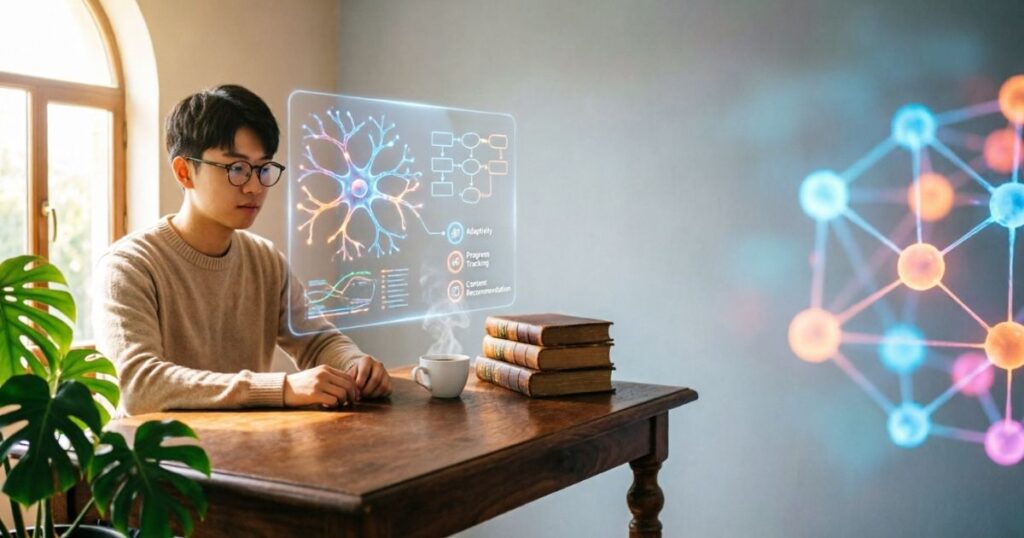
Personalized learning is becoming one of the most important changes in modern education. Students no longer need to follow the exact same lessons or learning speed as everyone else. Digital platforms and AI-powered learning tools can adjust content based on individual strengths and weaknesses. This helps learners understand topics better and build confidence throughout their educational journey and future growth.
Many schools now use adaptive learning systems to create a more flexible experience for students. For example, a student struggling with math can receive extra practice while another moves ahead. This approach improves student engagement and learning outcomes. It also supports different learning styles, making education more inclusive, effective, and meaningful for learners from diverse backgrounds today.
Technology as a Learning Companion
Technology has become a helpful partner in the learning process. Students can access lessons, videos, and study materials anytime they need them. Learning is no longer limited to classrooms or fixed schedules. With smartphones, tablets, and laptops, knowledge is always within reach. This convenience helps learners stay connected and continue improving their skills every day with confidence.
Modern education tools make learning more interactive and engaging. Virtual classrooms, educational apps, and AI-powered platforms support different learning needs. Students can receive instant feedback and track their progress easily. These tools encourage better understanding and stronger participation. As technology continues to grow, it will play an even bigger role in shaping future learning experiences worldwide.
- Easy access to learning resources
- Flexible study schedules
- Interactive learning experiences
- Instant feedback and assessments
- Better student engagement
- Support for remote and online education
The Shift Toward Skills Over Degrees
Many employers now focus more on what a person can do rather than what degree they hold. Practical abilities, problem-solving skills, and hands-on experience often matter more in today’s job market. This change is encouraging students to build real-world skills that match industry needs and improve career readiness in a competitive workplace.
Online courses, certifications, and professional training programs are helping people gain valuable skills quickly. Learners can develop expertise in areas like coding, digital marketing, and data analysis without spending years in traditional education. This trend supports lifelong learning and gives individuals more flexible paths toward career growth and long-term success.
| Traditional Focus | Modern Focus |
| Academic degrees | Practical skills |
| Classroom learning | Hands-on learning |
| Fixed curriculum | Skill-based learning |
| Long study periods | Flexible training |
| Qualifications first | Competence first |
| Theory-focused | Career-focused |
Flexible Learning Environments
Flexible learning environments give students more control over when, where, and how they learn. Instead of following a strict schedule, learners can access lessons from home, school, or even while traveling. This approach makes education more accessible and helps people balance learning with work, family responsibilities, and other daily commitments more effectively.
Hybrid classrooms and online education platforms are making learning more convenient than ever. Students can revisit lessons, learn at their own pace, and choose resources that fit their needs. This flexibility often improves engagement and reduces stress. As a result, more learners can achieve their educational goals without being limited by location or fixed schedules.
- Learn from anywhere with internet access
- Study at a comfortable pace
- Balance education with daily responsibilities
- Access lessons anytime when needed
- Support different learning styles
- Improve learning convenience and accessibility
Immersive and Interactive Learning
Immersive and interactive learning helps students become active participants instead of passive listeners. Technologies like virtual reality, simulations, and educational games make lessons more engaging. Students can explore concepts through hands-on experiences, which often improves understanding and knowledge retention. Learning becomes more enjoyable when learners interact directly with content rather than simply reading or listening.
Interactive learning also encourages curiosity and problem-solving. Students can practice real-world situations in a safe environment and receive immediate feedback on their progress. This approach supports deeper learning and stronger engagement. As educational technology continues to evolve, immersive experiences are becoming valuable tools for improving learning outcomes across different subjects and age groups.
| Traditional Learning | Interactive Learning |
| Listening to lectures | Active participation |
| Reading textbooks | Virtual simulations |
| Limited interaction | Real-time engagement |
| Theory-focused | Experience-focused |
| Delayed feedback | Instant feedback |
| Passive learning | Hands-on learning |
Data-Driven Insights in Education
Data-driven insights are helping schools and educators make better decisions. Modern learning platforms collect information about student progress, strengths, and challenges. Teachers can use this data to identify learning gaps and provide timely support. This approach improves student performance and helps create more effective learning experiences for learners with different educational needs and goals.
Learning analytics also help educators understand which teaching methods work best. Instead of relying on guesswork, schools can use real information to improve lessons and outcomes. Students benefit from personalized guidance and targeted support. As educational technology grows, data-driven education will continue to play an important role in improving learning success and engagement.
- Tracks student progress in real time
- Identifies learning strengths and weaknesses
- Supports personalized learning plans
- Improves teaching strategies
- Helps increase student engagement
- Provides data-based decision making
- Enhances learning outcomes
- Supports early intervention for struggling students
The Role of Continuous Learning
Continuous learning is important in today’s fast-changing world. New technologies and skills appear all the time. People need to keep learning to stay updated and competitive. It is not just for students. Professionals also need to improve their knowledge regularly to grow in their careers and adapt to new challenges in the workplace.
Online courses, training programs, and workshops make learning easier than ever. People can learn anytime and anywhere at their own pace. This helps them build new skills without leaving their jobs. Continuous learning supports career growth, boosts confidence, and prepares individuals for future opportunities in a modern, evolving world.
- Helps people stay updated with new skills
- Supports career growth and promotions
- Builds confidence in professional life
- Allows flexible learning anytime, anywhere
- Improves job performance and productivity
- Encourages lifelong learning habits
Read More:https://littlewishesx.com/whatutalkingboutwillis-gift-guide-unique-ideas-2026/
Challenges and Considerations
Digital learning brings many benefits, but it also comes with real challenges. As education becomes more technology-driven, schools and students must adjust to new systems. Not everyone has equal access or skills, which creates learning gaps. That is why careful planning is needed to make Tech Education fair, safe, and effective for all learners.
Balancing innovation with accessibility is very important. Schools need to use technology wisely while still supporting traditional learning methods. Issues like cost, data safety, and digital skills must be handled properly. With the right approach, these challenges can be reduced, making modern education more inclusive and reliable for everyone.
| Challenge | Consideration |
| Limited access to devices and internet | Improve digital infrastructure and affordable connectivity |
| Unequal digital skills among students | Provide training programs for students and teachers |
| Data privacy concerns in online education | Use strong cybersecurity and data protection systems |
| High dependency on technology | Maintain a balance between digital and traditional learning |
| Cost of advanced tools | Use scalable and budget-friendly education solutions |
The Future of Learning
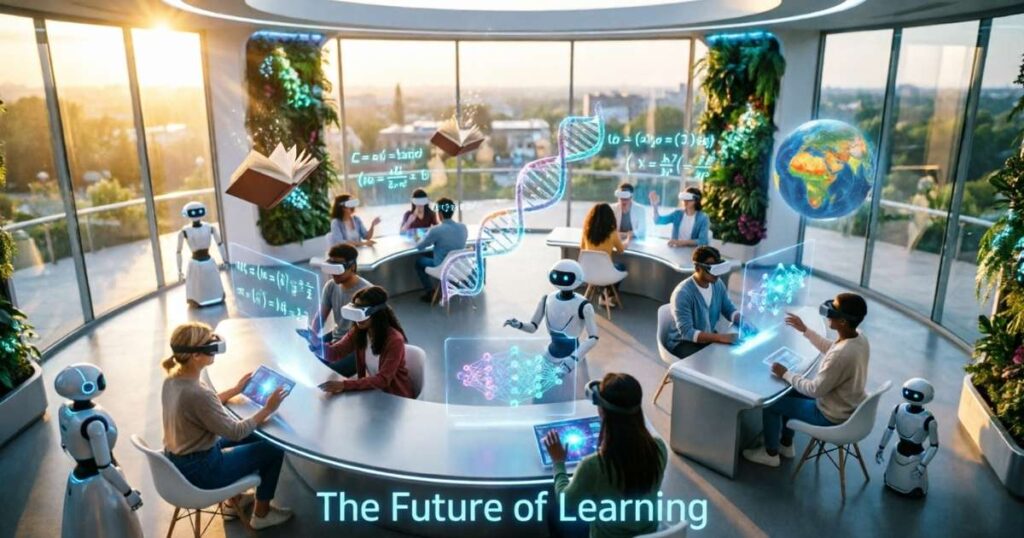
The future of learning is becoming more digital, flexible, and learner-focused. Classrooms will no longer be the only place to study. Students will use smart tools, online platforms, and AI systems to learn in new ways. Education will adjust to individual needs, making the learning experience more personal, effective, and engaging for everyone.
Tech Education will continue to evolve with virtual classrooms, interactive tools, and AI-powered systems. Learning will become more accessible and faster for students around the world. People will be able to update their skills anytime in life. This shift will create more opportunities, improve knowledge growth, and prepare learners for a fast-changing digital future.
Frequently Asked Questions
What is Tech Education and why is it important?
Tech Education helps students learn digital skills using modern tools. It improves learning, builds career readiness, and makes education more flexible, engaging, and future-focused.
How does Tech Education improve learning outcomes?
Tech Education improves learning outcomes by using interactive tools, AI systems, and personalized learning paths. It helps students understand topics better and stay more engaged.
What are the benefits of Tech Education for students?
Tech Education gives students access to flexible learning, digital skills, and real-time feedback. It supports growth, confidence, and better performance in modern education systems.
How is Tech Education changing traditional classrooms?
Tech Education is replacing traditional classrooms with digital platforms and hybrid learning. It makes education more interactive, accessible, and personalized for different learning styles.
What role does AI play in Tech Education?
AI in Tech Education personalizes learning by tracking progress and adjusting lessons. It helps students learn faster, understand better, and improve their weak areas effectively.
Can Tech Education replace traditional learning completely?
Tech Education cannot fully replace traditional learning. Instead, it works best in a blended model that combines classroom teaching with digital and interactive tools.
How does Tech Education support career readiness?
Tech Education builds practical skills like coding, communication, and problem-solving. It prepares learners for jobs by focusing on real-world applications and industry demands.
What challenges exist in Tech Education?
Tech Education faces challenges like digital gaps, lack of access, and high costs. However, improvements in infrastructure can make learning more equal and effective.
Is Tech Education suitable for all age groups?
Yes, Tech Education is suitable for all age groups. It offers flexible learning methods that help students, professionals, and lifelong learners improve their skills easily.
What is the future of Tech Education?
The future of Tech Education is smart, AI-driven, and highly interactive. It will make learning more accessible, personalized, and connected to real-world needs globally.
Conclusion
Tech Education is changing the way people learn and grow. It makes learning easier, faster, and more flexible for students and professionals. With digital tools, AI systems, and online platforms, education is no longer limited to classrooms. Tech Education helps learners build real skills and stay ready for future jobs in a fast-changing world.
Today, Tech Education supports continuous learning and better career opportunities. It improves understanding through interactive and personalized methods. Tech Education also connects people to global knowledge and modern resources. As technology grows, Tech Education will become even more important for lifelong learning. It will shape how we study, work, and improve ourselves. In simple words, Tech Education is the key to a smarter and more connected future for everyone.




Leave a Reply