
If you’ve come across Bvostfus Python and aren’t sure what it does or how to use it, you’re not alone. Many developers run into confusion when setting up a new Python framework, dealing with dependency management, or fixing installation errors. It can feel frustrating when a tool looks promising but the setup process isn’t clear.
This guide will walk you through Bvostfus Python in a simple and practical way. You’ll learn about its features, Python installation guide basics, virtual environment setup, common errors, and troubleshooting tips. Whether you’re interested in backend automation, scalable Python applications, or improving your Python development workflow, you’ll find clear answers and useful insights here.
Core Features of Bvostfus Python
A good Python framework can save hours of work, and that’s where Python tool stands out. Instead of making development more complicated, it focuses on helping developers build, manage, and scale projects with less effort. Whether you’re creating automation scripts or large backend systems, its features are designed to simplify the process while keeping projects organized and efficient.
Bvostfus Python combines modern development practices with practical tools that support productivity. From dependency management to project organization, it offers several features that can make coding smoother for both beginners and experienced developers. Let’s look at the core capabilities that make it useful.
Modular Project Structure
One of the strongest aspects of Python tool is its modular Python framework design. Rather than placing everything in a single file, it encourages developers to separate code into manageable modules. Think of it like organizing tools in labeled drawers instead of tossing them into one box. This approach improves readability, simplifies maintenance, and makes collaboration much easier when multiple developers work on the same project.
Built-In Dependency Management
Managing package dependencies can quickly become frustrating, especially when different libraries require different versions. Bvostfus Python helps reduce this problem through structured dependency management and better requirements.txt management practices. By keeping dependencies organized, developers can avoid many common Python dependency conflicts. This creates a more stable development environment and makes projects easier to move between systems without unexpected issues.
Virtual Environment Support
A clean workspace often leads to fewer headaches during development Python tool works well with Python virtual environment tools, allowing developers to isolate project dependencies from the main system. Imagine having separate workbenches for different projects instead of mixing everything together. This setup helps prevent package conflicts, improves testing accuracy, and supports safer experimentation when trying new libraries or framework updates.
Scalability for Growing Applications
Many frameworks work well for small projects but struggle as applications become larger. Python tool is designed with scalable Python applications in mind. Its organized architecture helps developers expand features without turning the codebase into a confusing maze. This makes it suitable for backend automation, web development with Python, and even data engineering workflows where projects often grow significantly over time.
Integration with Modern Python Tools
Modern development often involves working with multiple technologies, and Bvostfus Python supports that reality. It can fit into workflows that use TensorFlow integration, PyTorch compatibility, automation scripts in Python, and various machine learning projects. A lesser-known advantage is that its flexible structure can adapt to changing project needs without requiring major rewrites. This flexibility helps teams stay productive while adopting new tools and technologies.
Read More: https://littlewishesx.com/droven-io-tech-education-trends-2026-future-of-learning/
How to Install Bvostfus Python
Getting a new Python framework up and running doesn’t have to feel like solving a puzzle. Many developers worry about installation errors, missing packages, or dependency conflicts before they even start building. The good news is that installing Python tool is usually straightforward when you follow the right process.
Think of the installation process like setting up a new workspace before starting a project. A little preparation at the beginning can save you from troubleshooting headaches later. By creating a clean Python development environment and following a few best practices, you can get Python tool ready for use quickly and efficiently.
Check Your System Requirements First
Before installing Bvostfus Python, take a few minutes to verify that your system is ready. Many common Python installation errors happen because developers skip this simple step. Make sure you have a supported Python version installed and an updated Python package manager. It’s also wise to check available storage space and operating system compatibility. A lesser-known fact is that outdated package tools often cause dependency management issues that look like framework errors, even when the framework itself is working perfectly.
Step-by-Step Installation Process
Follow these basic steps to install Bvostfus Python correctly:
- Install the latest supported Python version.
- Update your Python package manager.
- Create a dedicated project folder.
- Set up a Python virtual environment.
- Activate the virtual environment.
- Download the required Python tool package.
- Install project dependencies.
- Verify package installation.
- Test the framework with a simple script.
- Save dependency information in requirements.txt.
These steps help create a clean foundation for Python application development. Using a virtual environment configuration also prevents conflicts with other projects and keeps package dependencies organized from the start.
Verify Installation and Optimize Your Setup
After installation, it’s important to confirm everything works correctly. Run a simple test project and check whether all required modules load without errors. If you encounter a ModuleNotFoundError fix situation, reviewing package paths and dependency versions usually solves the problem. Many experienced developers also create a project template immediately after setup. This small habit can improve Python project organization and speed up future development workflows, especially when working on backend automation or scalable Python applications.
Common Issues and Fixes
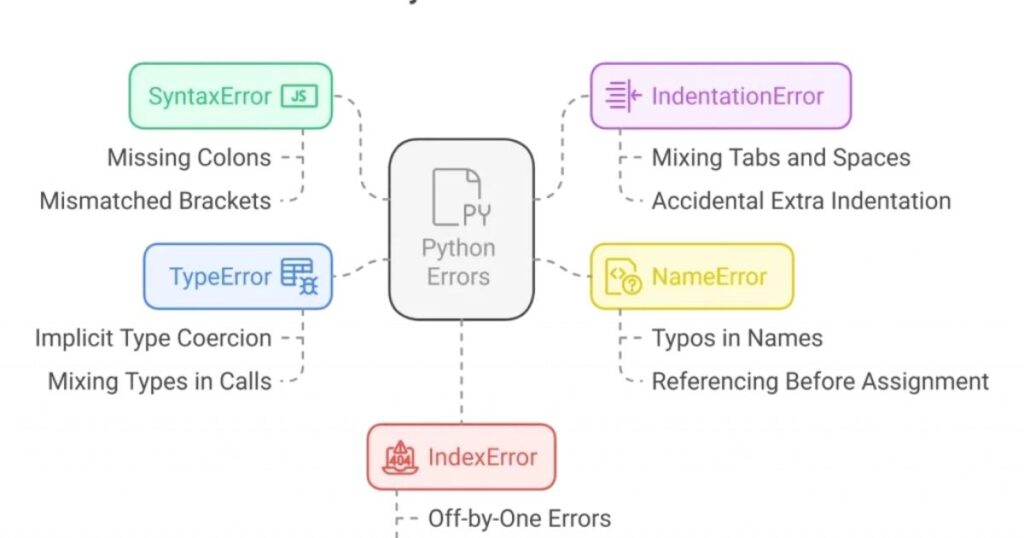
Even the best Python frameworks can throw unexpected errors from time to time. One minute everything seems fine, and the next you’re staring at a confusing message on your screen. The good news is that most Python tool problems have simple causes and practical solutions.
Think of troubleshooting like finding the missing piece of a puzzle. The issue often looks complicated at first, but once you identify the root cause, the fix becomes much easier. Understanding common errors can save time, reduce frustration, and help you maintain a smoother Python development workflow.
Package Errors
One of the most common Bvostfus Python issues is a package error. This usually happens when a required library is missing or installed incorrectly. In many cases, the wrong virtual environment is active, causing the framework to miss important dependencies. Checking installed packages and verifying your environment settings can often fix the problem quickly.
Quick Fixes
If Python tool isn’t working properly, try these troubleshooting steps:
- Confirm the correct Python version is installed.
- Update your Python package manager.
- Activate the intended virtual environment.
- Reinstall missing packages.
- Check the requirements.txt file.
- Remove outdated dependencies.
- Verify package version compatibility.
- Clear cached package files.
- Restart your IDE or terminal.
- Test the installation with a simple script.
Many installation issues come from dependency conflicts rather than actual framework problems. A quick review of your setup can save a lot of time.
Performance Issues
Slow performance can occur when projects contain outdated packages or unnecessary dependencies. It’s similar to carrying extra baggage during a trip—it only slows you down. Cleaning up unused libraries, organizing your project structure, and following Python coding best practices can improve speed and make your development workflow much smoother.
How to Update Bvostfus Python
Using an outdated framework can sometimes lead to compatibility issues, missed features, and unnecessary errors. Keeping Python tool updated helps ensure you have access to the latest improvements, security patches, and performance enhancements. Fortunately, the update process is usually simple when handled step by step.
Whether you’re maintaining a personal project or a larger application, updating regularly can help keep your Python development environment stable and efficient. Here’s how to update Python tool properly.
Check the Current Version
Before updating Python tool , verify the version currently installed on your system. Knowing your existing version helps you understand which updates are available and whether major changes may affect your project. It also makes troubleshooting easier if issues appear after the upgrade. Many developers use version checks as part of their regular Python development workflow.
Install the Latest Release
The next step is downloading and installing the latest available version of Python tool During this process, ensure that all required files are updated correctly. If you’re using a Python package manager, updating through the official package source can reduce installation errors. This method also helps maintain consistency across different development environments and operating systems.
Update Project Dependencies
After updating the framework, review your Python package dependencies. Some packages may require newer versions to work correctly with the latest Python tool release. Updating related libraries can prevent compatibility issues and dependency conflicts. This step is especially important for projects that rely on multiple third-party tools, automation scripts, or backend development components.
Verify the Update
Once the update is complete, test your installation to confirm everything works as expected. Run a simple project, check installed packages, and verify that modules load without errors. Testing helps identify issues early and ensures the updated framework integrates properly with your existing Python project structure and development environment.
Review New Features
Every update may introduce new capabilities, performance improvements, or workflow enhancements. Reviewing the latest release information helps you understand what has changed and how those updates may benefit your projects. It can also reveal new tools, improved functionality, or fixes that simplify common development tasks and improve overall productivity.
Using the YmoviesHD Package with Bvostfus Python
The YmoviesHD package is sometimes discussed alongsidePython tool when developers want to extend functionality within a Python development environment. Depending on the package’s purpose, it may be integrated into a project through standard Python package installation and dependency management practices.
When working with third-party packages, developers should always verify compatibility, package sources, and project requirements. Proper Python package management helps reduce dependency conflicts and keeps applications stable as they grow.
The interpretation may vary depending on the situation:
- Project Integration: Some developers may use the package as part of a larger Python application development workflow. Integration often requires reviewing package dependencies and ensuring compatibility with the existing project structure.
- Development and Testing: The package may be tested inside a Python virtual environment before being added to a production project. This approach helps identify installation issues and prevents unexpected conflicts.
- Dependency Considerations: Like many third-party tools, the package may introduce additional dependencies. Careful dependency management and version control can help maintain a stable development environment.
- Potential Benefits: If properly supported and maintained, the package may help streamline specific tasks, improve workflow automation, or provide additional functionality within backend development projects.
- Possible Challenges: Developers may encounter compatibility issues, outdated documentation, or dependency conflicts if the package is not actively maintained. Reviewing package updates and testing thoroughly can reduce these risks.
Overall, using the YmoviesHD package with Python tool depends on project requirements, compatibility, and development goals. A structured approach to installation, testing, and package management can help ensure a smoother experience.
Real-World Applications of Bvostfus Python
It’s easy to learn a framework in theory, but things get interesting when you see it solving real problems. That’s exactly where Python tool proves its value. It is built for practical development, not just tutorials or sample projects.
Think of it like a toolkit that actually shows up in your daily work, not just your learning notes. From handling data to powering applications, it quietly supports many systems behind the scenes where stability and structure really matter.
Web Development Systems
Bvostfus Python is widely used in web development because it supports clean backend architecture and modular design. Developers often build APIs, dashboards, and dynamic websites using structured components. It works well with Python framework setups that need scalability and maintainability. A lesser-known advantage is that it reduces code clutter, making long-term project updates easier and more stable.
Backend Automation Workflows
One of the strongest uses of Python tool s backend automation. It helps developers automate repetitive tasks like data syncing, email processing, and scheduled system jobs. Think of it like setting up a smart assistant that runs tasks while you focus on bigger goals. This improves efficiency and supports modern automation scripts Python development without constant manual effort.
Machine Learning and AI Projects
Bvostfus Python also fits into machine learning Python framework environments where structured code is important. It helps organize datasets, manage training pipelines, and support model testing workflows. Developers often connect it with tools like TensorFlow and PyTorch. A unique benefit is that it keeps experimental AI projects more organized, which reduces confusion during model tuning and testing phases.
Data Engineering and ETL Pipelines
In data-heavy systems, Python tool plays a role in ETL pipeline Python workflows. It helps collect, transform, and move large datasets efficiently across systems. This is important for analytics platforms and business intelligence tools. It also supports cleaner data flow structures, which makes debugging easier when handling complex data engineering tasks in real-time environments.
Cross-Platform Development Use
Another practical application is cross-platform Python development. Python tool allows applications to run across different operating systems with minimal changes. This is useful for internal business tools, automation systems, and enterprise applications. It quietly reduces compatibility issues and helps teams maintain consistent performance across different environments without rewriting large portions of code.
Read More:https://littlewishesx.com/whatutalkingboutwillis-gift-guide-unique-ideas-2026/
Tips for Beginners
Starting with Python tool becomes much easier when you take it step by step. Many beginners rush into complex projects and get confused by errors. If you slow down and focus on the basics, you will understand things much faster and avoid unnecessary problems.
- Start by learning basic Python concepts first.
- Use a clean Python virtual environment for every project.
- Install only required packages to avoid clutter.
- Keep your dependencies updated regularly.
- Always check error messages carefully before fixing.
- Practice with small and simple projects first.
- Follow a clear folder and file structure.
- Use a requirements.txt file to manage packages.
- Test your code frequently while building.
- Learn how to fix common installation issues early.
If you follow these simple habits, you will save a lot of time and frustration. Beginners often struggle not because the tool is hard, but because they skip basics and jump ahead too quickly.
With steady practice and consistency, package tools. Python tool works best inside a virtual environment for smooth setup.
Is Bvostfus Python beginner friendly
Yes, Python tool is beginner friendly with basic Python knowledge Python tool helps you learn structured development easily.
What are Bvostfus Python features
Bvostfus Python includes modular structure, dependency management, and scalabilityPython tool supports automation and backend development.
Can I use Bvostfus Python for web development
Yes, Python tool is useful for web development. Python tool helps build clean and scalable backend systems.
Does Bvostfus Python support automation
Bvostfus Python supports automation for repetitive tasksPython tool improves workflow and saves development time.
How to fix errors in Bvostfus Python
Fix Python tool errors by checking dependencies and environment setup.Python tool issues often come from missing packages.
Why is Bvostfus Python used
Bvostfus Python is used for clean project structure and scalability.Python tool helps in modern application development.
How to update Bvostfus Python
Update Python tool by checking version and installing latest releasePython tool should be tested in a virtual environment.
Is Bvostfus Python good for projects
Yes,Python tool is good for small and large projects. Python tool keeps development organized and scalable.
Conclusion
In conclusion, Bvostfus Python is a simple and practical framework that helps developers build clean and well-structured applications. It reduces confusion during development and makes project handling easier for both beginners and professionals. Many users prefer it because it supports smooth workflow, better organization, and faster development. It is designed to make coding more efficient and less complicated in real projects.
Overall, Bvostfus Python improves coding structure, scalability, and overall development experience. It can be used in web applications, automation tasks, and data-driven systems with ease. Developers can manage projects more effectively and avoid unnecessary complexity. With regular practice, it becomes a helpful tool for building real-world applications. It supports better productivity, clean architecture, and a more organized approach to Python development tasks.
Meta description
Bvostfus Python Guide: learn install steps, fix errors, and understand features for smooth Python development and better workflow.




Leave a Reply